Regional Licensing Variations Shape Live Dealer Integrations in Mobile Slot Portfolios Across Emerging Markets
Gisela Wolf · Aug 31, 2026
Regional Licensing Variations Shape Live Dealer Integrations in Mobile Slot Portfolios Across Emerging Markets
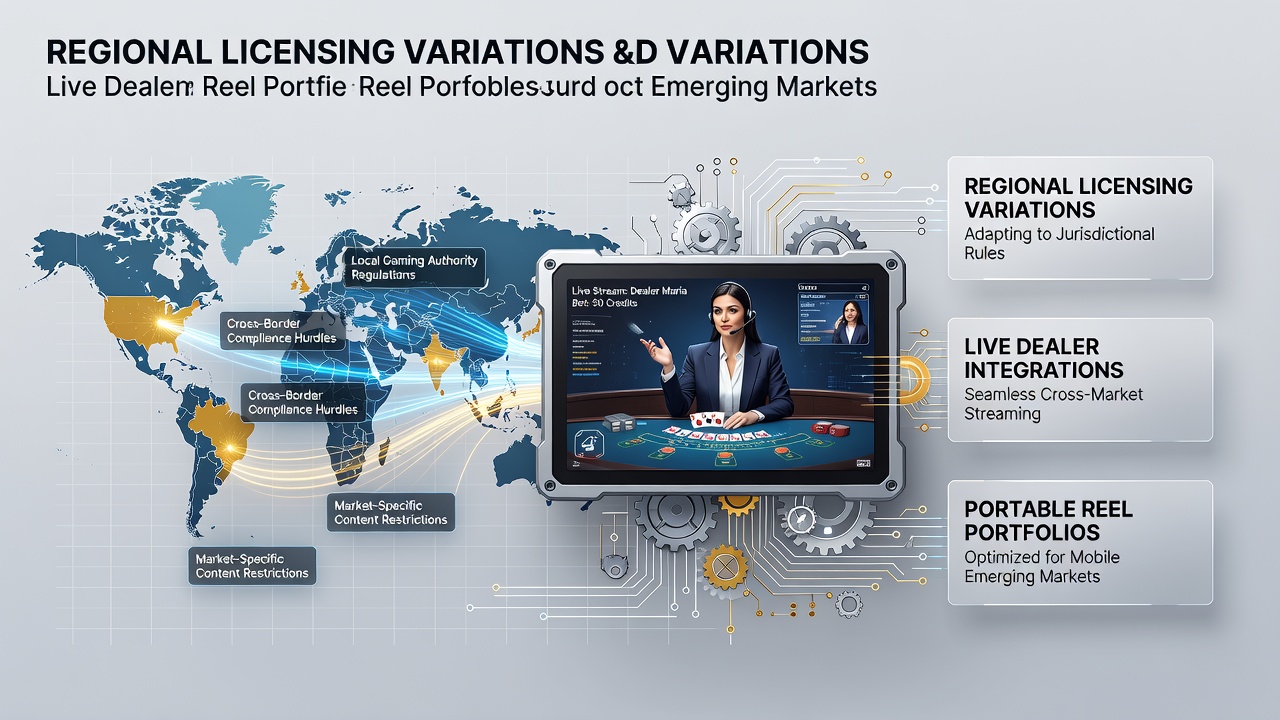
Regional licensing frameworks create distinct pathways for live dealer integrations within mobile slot portfolios and these variations require operators to adapt their technical architectures while meeting compliance standards in emerging markets. Data from regulatory filings shows that jurisdictions in Southeast Asia and Latin America impose differing requirements on real-time video streaming capabilities, dealer certification protocols, and cross-border data handling which directly affect how portable reel games incorporate live elements.
Licensing Structures Define Integration Boundaries
Emerging markets apply licensing models that range from centralized national approvals to fragmented state-level permissions and these structures determine the feasibility of embedding live dealer feeds into slot applications. Observers note that operators must secure separate authorizations for interactive video components in markets where traditional slot licenses do not automatically cover live elements. Research indicates that such separations often result in phased rollout schedules where mobile reel portfolios receive live dealer additions only after additional audits confirm adherence to local technical specifications.
Countries in Africa and parts of South Asia have introduced tiered licensing categories since 2024 and these categories distinguish between fully automated reel games and those featuring human dealers operating from remote studios. Figures reveal that companies expanding into these areas allocate substantial resources toward compliance teams that track updates across multiple regulatory bodies simultaneously.
Technical Adaptations for Live Dealer Compatibility
Portable reel systems integrate live dealer features through modular APIs that connect slot interfaces with external video platforms yet regional rules dictate the encryption standards and latency thresholds these connections must satisfy. Experts have observed that markets enforcing strict data localization policies require operators to host dealer streams on servers within national borders which increases infrastructure costs and influences the selection of technology partners.
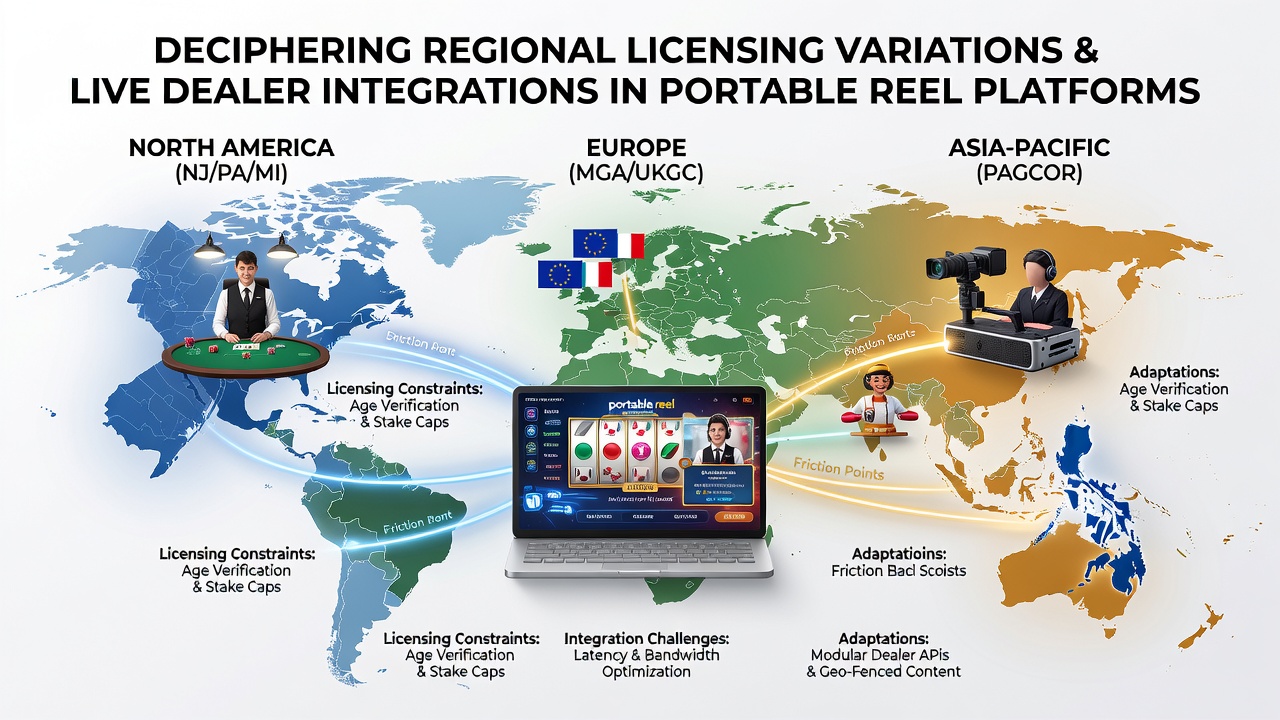
One operator that entered a major Latin American market in early 2025 adjusted its reel portfolio architecture to support region-specific bandwidth minimums after regulators mandated minimum frame rates for dealer broadcasts. Such adjustments allow the same core slot mechanics to function across borders while the live components scale according to local mandates. Studies conducted by industry research groups demonstrate that these modifications correlate with higher user retention rates in jurisdictions where live elements meet or exceed regulatory quality benchmarks.
Market-Specific Challenges and Compliance Patterns
Emerging economies frequently update their gaming statutes to address technological advancements and these revisions create ongoing adaptation cycles for companies managing mobile slot libraries. In August 2026 several Southeast Asian authorities aligned their live dealer guidelines with updated consumer protection measures that require enhanced identity verification during real-time sessions. Operators responded by embedding additional authentication layers directly into the portable reel applications rather than relying on separate verification portals.
According to Malta Gaming Authority reports on international licensing trends, cross-jurisdictional operators benefit when they design flexible backend systems capable of toggling live dealer availability based on user location. Data from similar analyses shows that markets with reciprocal recognition agreements between neighboring countries experience faster integration timelines compared to those maintaining isolated approval processes.
Revenue and Operational Implications
Live dealer additions within mobile reel portfolios generate distinct revenue streams yet licensing variations affect how these streams are taxed and reported across borders. Research from academic institutions tracking gaming economics indicates that operators in regions with harmonized licensing frameworks achieve more predictable cash flow because they avoid repeated recertification expenses. Those who have studied expansion patterns note that successful entries into emerging markets often involve partnerships with local license holders who already navigate the nuances of dealer staffing and studio operations.
Payment processing rules tied to live sessions further complicate portfolio management because some jurisdictions prohibit certain transaction types during interactive play. Companies address these constraints by configuring reel applications to switch between automated and live modes seamlessly while maintaining compliance with each market's financial reporting obligations.
Conclusion
Regional licensing variations continue to influence the pace and scope of live dealer integrations in mobile slot portfolios throughout emerging markets and these influences manifest through technical requirements, compliance timelines, and partnership structures. Data shows that operators who maintain adaptable systems and monitor regulatory shifts across multiple jurisdictions position their reel offerings for broader accessibility. As frameworks evolve the interplay between licensing conditions and live dealer capabilities will determine which portable gaming portfolios expand most effectively in these growing regions.