Melodic Mechanics: Tracing Audio Cues' Effects on Pattern Recognition in Sequential Reel Outcomes
Anna Lehmann · Aug 10, 2026
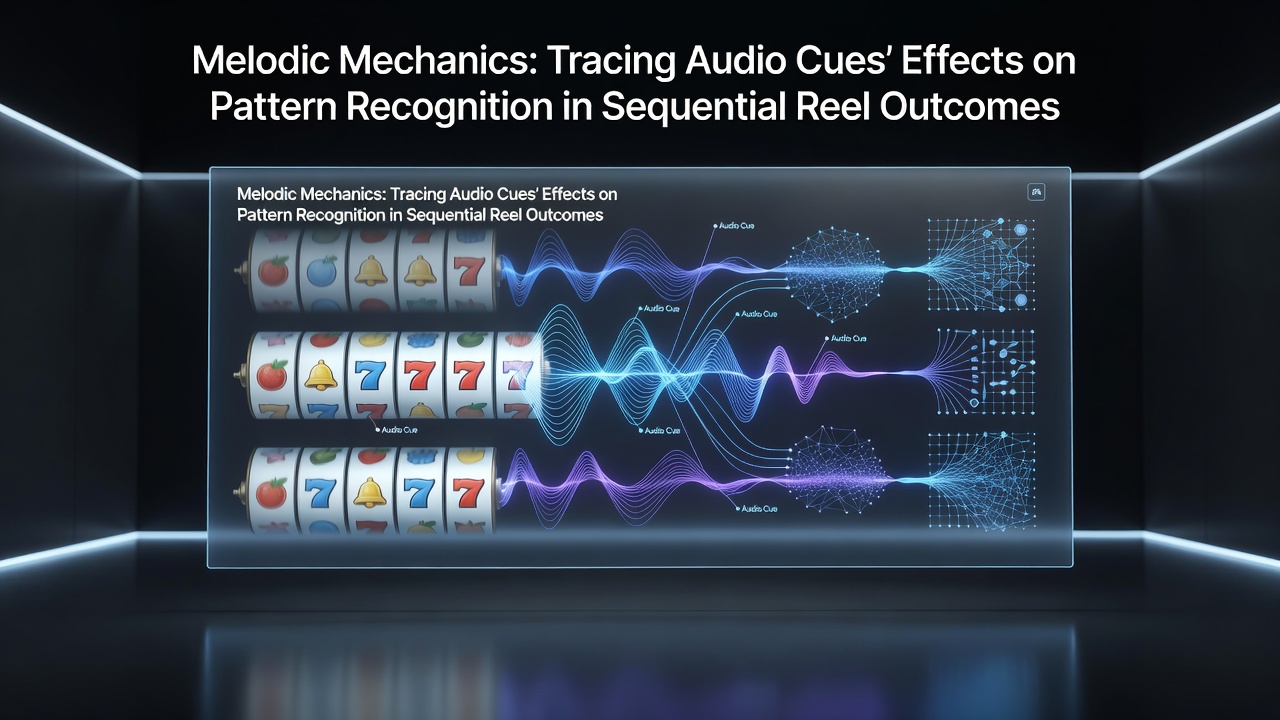
Melodic Mechanics: Tracing Audio Cues' Effects on Pattern Recognition in Sequential Reel Outcomes
Audio cues in sequential reel systems shape how players identify repeating patterns across multiple spins, and researchers continue to examine these interactions through controlled laboratory trials and field data collected from operating venues. Studies conducted in regulated markets demonstrate that specific sound frequencies align with reel stop positions, which in turn influence the speed at which participants recognize near-miss sequences or bonus triggers. Data collected between 2024 and 2026 reveal measurable differences in response times when melodic layers change in pitch or rhythm while reels continue their rotation cycles.
Sound Design Elements in Modern Reel Engines
Developers integrate layered audio tracks that activate at precise reel positions, and these tracks often include ascending tones that coincide with symbol alignment on the middle reels. Observers note that such synchronization creates temporal markers players use to anticipate outcomes without visual confirmation alone. In August 2026 several North American operators updated their reel engines to include adaptive audio scaling based on session length, a modification documented in compliance filings submitted to state gaming boards. The adjustments alter volume envelopes and harmonic content while maintaining consistent reel physics across all machines in a given bank.
Pattern Recognition Mechanisms Under Examination
Sequential outcomes generate streams of visual and auditory data that the brain processes through separate yet interacting pathways, and experiments using eye-tracking equipment show faster fixation shifts toward payline areas when ascending melodic phrases accompany winning combinations. Research teams at multiple institutions have recorded electroencephalogram responses indicating heightened attention peaks during reel deceleration phases paired with distinct audio signatures. These peaks appear earlier in sessions where players have already encountered several matched audio-visual events, suggesting learned associations form within the first thirty to forty spins.

Further trials separate teh audio component from visual feedback by muting selected frequencies during test spins, and results indicate reduced accuracy in identifying repeating symbol sequences when those frequencies remain absent. Australian research groups published findings in 2025 that linked specific decibel thresholds to improved recall of prior reel positions across consecutive plays. Canadian regulatory summaries from the same period reported similar correlations in anonymized player data sets supplied by licensed operators, confirming the pattern across different hardware platforms.
Regulatory Documentation and Industry Standards
Gaming laboratories in multiple jurisdictions require documentation of audio cue timing relative to reel stop events, and these records now form part of the certification packages submitted for new game approvals. A 2026 report issued by the Nevada Gaming Control Board outlined testing protocols that measure player detection rates for pattern sequences under varied audio conditions. Similar protocols appear in guidelines released by the Alcohol and Gaming Commission of Ontario, which emphasize consistent calibration of sound levels across all approved terminals. Operators must demonstrate that audio modifications do not alter the certified random number generator outcomes while still allowing measurable effects on player attention metrics.
Data Streams Connecting Audio Events to Outcome Logs
Transaction logs paired with reel outcome histories provide the raw material for correlation analyses, and several research consortia have begun mapping audio trigger timestamps against player decision points recorded during live sessions. One ongoing project at a European academic center examines whether melodic variations coincide with changes in bet sizing patterns across multi-spin sequences. Preliminary figures released in mid-2026 indicate that certain harmonic progressions align with increased continuation rates after near-miss events, though the underlying mechanism remains under active investigation. These data sets undergo anonymization before release to external analysts, preserving compliance with privacy statutes in each participating jurisdiction.
Conclusion
Current evidence establishes that audio cues integrated into sequential reel systems produce measurable shifts in the timing and accuracy of pattern recognition across player cohorts. Regulatory bodies in North America, Australia, and Canada continue to require detailed reporting on these interactions as part of ongoing compliance frameworks. Further longitudinal studies scheduled through 2027 will expand the available data pool and refine understanding of how melodic elements interact with visual reel mechanics in controlled environments.