Charting the fusion of archival gambling motifs with adaptive reel algorithms in cross-border digital platforms
Anna Lehmann · Aug 5, 2026

Charting the fusion of archival gambling motifs with adaptive reel algorithms in cross-border digital platforms
Archival gambling motifs from mechanical slot machines of the early twentieth century continue to appear in contemporary digital platforms where adaptive reel algorithms adjust symbol sequences based on player interaction patterns and regulatory data feeds. Researchers tracking these systems note that classic icons such as single bars, double bars, and fruit clusters now operate alongside code that recalibrates reel weights in real time while preserving the visual language of older land-based equipment.
Traditional symbols meet dynamic code
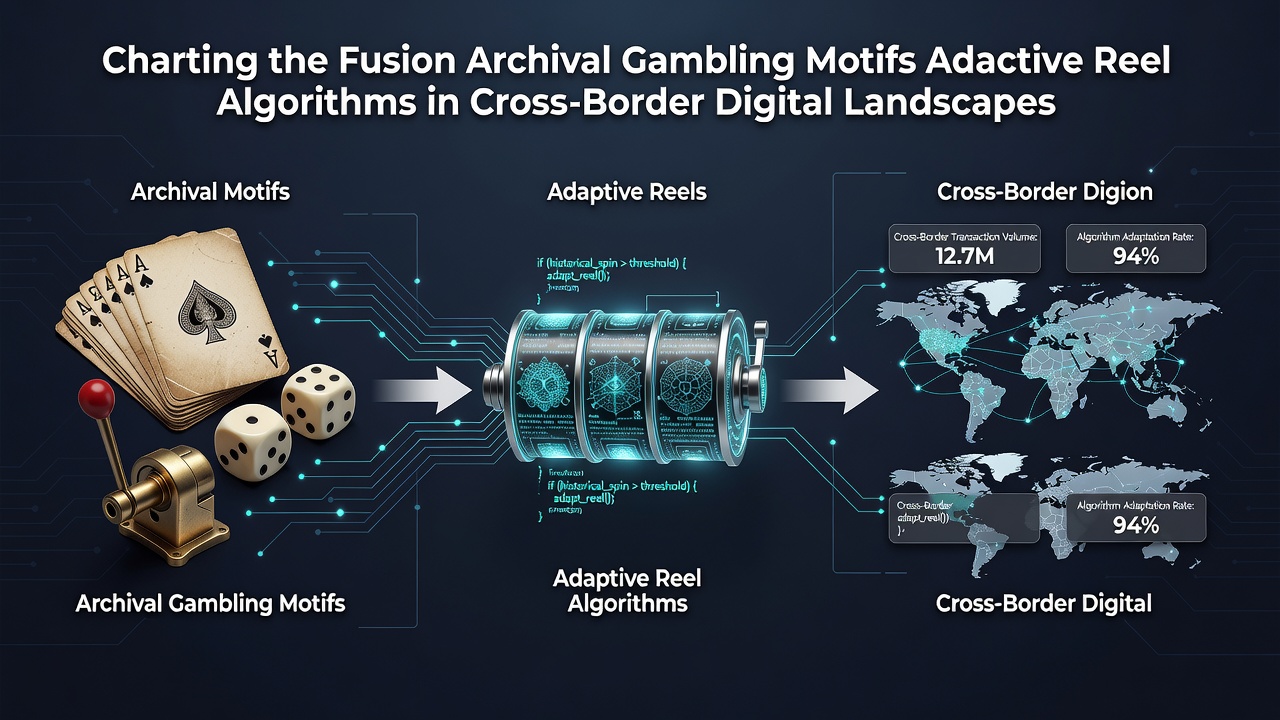
Operators integrate these historical elements by mapping legacy paytables onto variable probability engines that respond to aggregated session metrics across multiple jurisdictions. Data from platform telemetry shows that reel strips retain fixed positions for certain high-recognition symbols yet allow surrounding positions to shift according to algorithmic rules derived from transaction logs and retention analytics. This approach maintains continuity with earlier mechanical designs while enabling the reels to adapt payout frequencies without altering the outward appearance that players associate with established game themes.
Cross-border data flows and reel adaptation
Platforms serving users in different regulatory zones synchronize motif libraries with localized algorithm parameters that account for currency fluctuations, tax reporting requirements, and player demographic profiles. In August 2026 several operators reported updates to their adaptive modules that incorporated new compliance signals from the Malta Gaming Authority and the Victorian Commission for Gambling and Liquor Regulation, allowing reels to modify volatility settings when sessions crossed from one licensing regime into another. These adjustments occur through encrypted data streams that link user location, deposit patterns, and historical motif preferences into unified decision trees governing each spin.
Implementation examples across regions
One European operator documented how cherry and bell symbols from 1950s American machines were assigned static weights on the first two reels while the remaining positions drew from an adaptive pool calibrated to session length and cross-border latency measurements. Australian platforms meanwhile embedded similar archival clusters within cluster-pay frameworks that recalibrate trigger thresholds based on aggregated data from Canadian and Asian user bases. Observers note that these layered systems reduce the need for separate game builds per market yet still satisfy distinct reporting obligations in each territory.
Regulatory considerations in 2026
According to figures released by the Nevada Gaming Control Board, cross-border platforms handling archival motif libraries generated measurable increases in transaction reporting volume during the first half of 2026, prompting refinements to adaptive algorithms that flag unusual symbol clustering patterns for review. The European Gaming and Betting Association published guidance in the same period emphasizing that any reel adaptation must preserve audit trails for motif weighting decisions when games operate under multiple licenses simultaneously. These requirements have led developers to embed immutable logs that record every change to reel probability matrices triggered by cross-jurisdictional data inputs.
Technical architecture supporting motif fusion
Engineers construct the underlying systems by storing archival symbol graphics as modular assets that load independently of the probability engine. Adaptive algorithms then reference these assets while applying machine-learning models trained on anonymized datasets that include spin outcomes, session durations, and geographic routing information. The result is a reel display that looks consistent to the user yet draws from different mathematical distributions depending on the regulatory context detected at login. Studies from research institutions tracking retention metrics indicate that such continuity in visual motifs correlates with sustained engagement even as the underlying algorithms shift payout structures.
Conclusion
Archival gambling motifs and adaptive reel algorithms now function together within cross-border digital platforms through coordinated data pipelines and modular asset management. Reports from regulatory bodies and industry associations in multiple regions document ongoing refinements to these systems as operators respond to evolving compliance standards and user behavior patterns recorded through 2026. The integration preserves recognizable visual traditions while permitting real-time adjustments that align with jurisdictional requirements across connected markets.