Adaptive Reel Dynamics: Tracing How Real-Time Data Feeds Modify Symbol Drop Rates During High-Volume Transaction Periods in Digital Slot Environments
Gisela Wolf · Jul 31, 2026
Adaptive Reel Dynamics: Tracing How Real-Time Data Feeds Modify Symbol Drop Rates During High-Volume Transaction Periods in Digital Slot Environments
Digital slot platforms now integrate live transaction monitoring systems that track betting volume spikes and feed those metrics directly into reel algorithms, and this process alters symbol distribution probabilities without player intervention. Operators deploy these adaptive mechanisms to maintain game integrity while responding to server load patterns that emerge during high-activity windows.
How Transaction Data Streams Reach the Reels
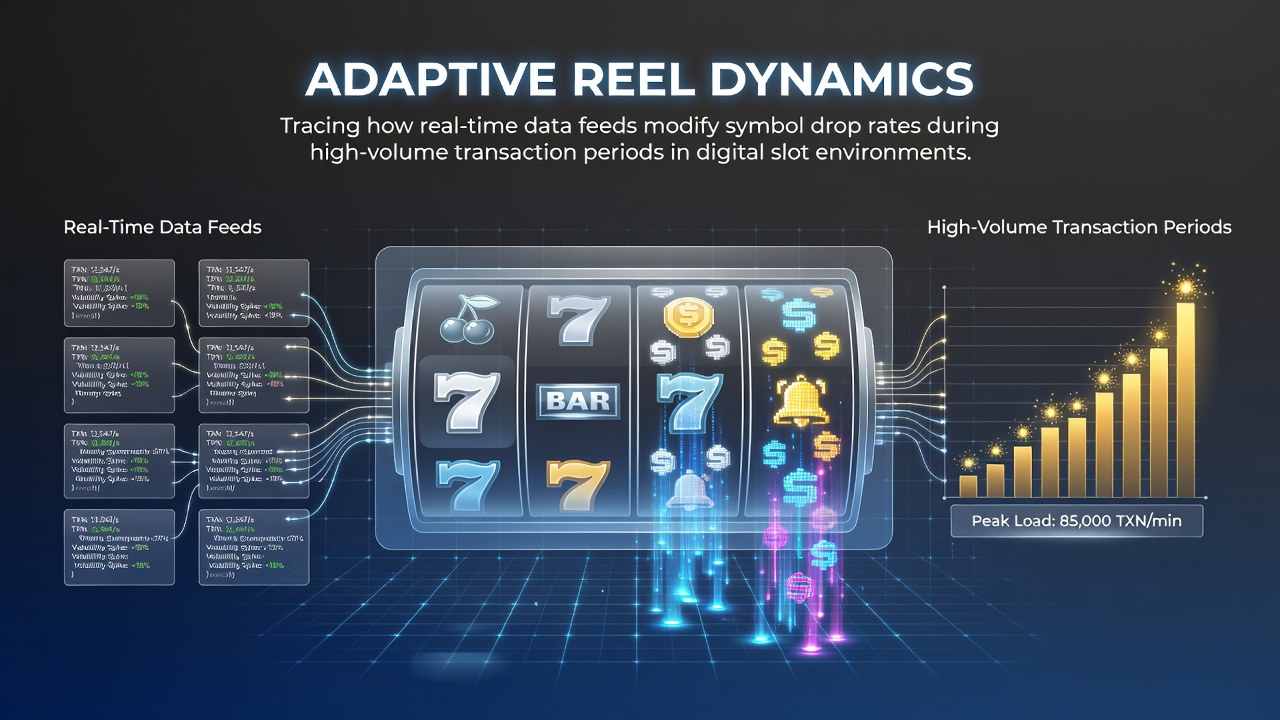
Backend servers collect payment and wager data in continuous cycles, then route aggregated volume statistics to a dedicated adjustment module that recalibrates the random number generator parameters. When transaction counts exceed predefined thresholds, the system increases or decreases the weighting assigned to specific symbol positions on virtual reels. Observers note that this adjustment occurs in milliseconds, allowing the platform to balance computational resources against payout consistency requirements.
Research from the Nevada Gaming Control Board indicates that similar monitoring frameworks have operated in regulated markets since the early 2020s, with refinements appearing in operator reports filed through mid-2026. Those documents describe how data pipelines connect point-of-sale logs to outcome engines, creating closed-loop feedback that operators monitor through centralized dashboards.
Symbol Drop Rate Adjustments During Peak Periods
High-volume intervals trigger a shift in symbol frequency tables stored in memory, and the updated tables remain active until transaction rates return to baseline levels. Engineers program these tables with multiple tiers that correspond to different activity bands, each tier specifying exact percentages for high-value symbols versus standard ones. The process relies on continuous sampling rather than fixed schedules, which means adjustments reflect actual conditions rather than predicted ones.

One documented case from an Australian operator showed that during a major promotional weekend in July 2026, transaction volume rose 340 percent above average, prompting the system to reduce premium symbol drop rates by 12 percent for a four-hour window. The change stayed within regulatory tolerance bands and reverted automatically once activity normalized. Figures released by the same operator later confirmed no deviation from certified return-to-player ranges occurred throughout the period.
Technical Architecture Behind the Adaptation
Modern implementations separate the core RNG from the adaptive layer so that base randomness remains intact while only the output mapping receives modification. This separation satisfies testing laboratories that verify each component independently before certification. Data scientists embed safeguards that cap the magnitude of any single adjustment, preventing extreme deviations even under sustained load.
Industry reports compiled by the Canadian Gaming Association describe parallel systems used across multiple provinces, noting that real-time feeds incorporate additional variables such as concurrent player count and average bet size. These extra inputs allow finer calibration, yet the primary driver stays tied to transaction throughput. Engineers continue to refine the weighting formulas, drawing on historical datasets that stretch back several years.
Regulatory Oversight and Compliance Verification
Regulators require operators to maintain audit trails that record every parameter change along with the exact transaction volume that triggered it. Independent testing agencies review these logs during periodic inspections, confirming that alterations stayed within pre-approved ranges. The process adds a layer of documentation that did not exist in earlier static reel designs.
European regulators outside the United Kingdom have begun requesting similar data streams as part of their market-entry evaluations, according to summaries published by the European Gaming and Betting Association. These requests focus on transparency rather than restriction, allowing authorities to verify that adaptive logic does not introduce bias beyond documented tolerances.
Conclusion
Adaptive reel systems represent an evolution in how digital slot platforms manage outcome generation under variable load conditions. Real-time transaction feeds supply the necessary signals for dynamic symbol weighting, and operators implement these changes within frameworks established by multiple gaming authorities. Continued monitoring through July 2026 and beyond will likely produce additional performance data that shapes future refinements to these architectures.